Men
World Club Challenge: The History
18 Feb 2026
- A game of two hemispheres: The Story of the World Club Challenge
- Take a tour of the World Club Challenge and its history!
- The official souvenir programme for the 2026 Betfred World Club Challenge is available for online orders now!
Hull KR's official souvenir programme for the 2026 Betfred World Club Challenge is available for online order now from Ignition Sports Media here - with features on Hull KR's remarkable journey to their World Club Challenge debut, the revival of the Broncos under Michael Maguire, and current and past greats from both clubs.
The programme also includes exclusive interviews and columns with Willie Peters, Jon Wilkin, Neil Hudgell, Steve Mascord, Mike Latham and Steve Till.
In this excerpt, editor Andy Wilson takes a whistlestop tour through the 39-year history of the fixture...
A Game of two hemispheres
Great players. Unforgettable occasions. Controversial moments. Brilliant tries. Ice-cool kicks.
In the four decades since it first truly captured the imagination with the brutal, compelling showdown between Wigan and Manly at a packed Central Park in 1987, the World Club Challenge has added hugely to the folklore of Rugby League.
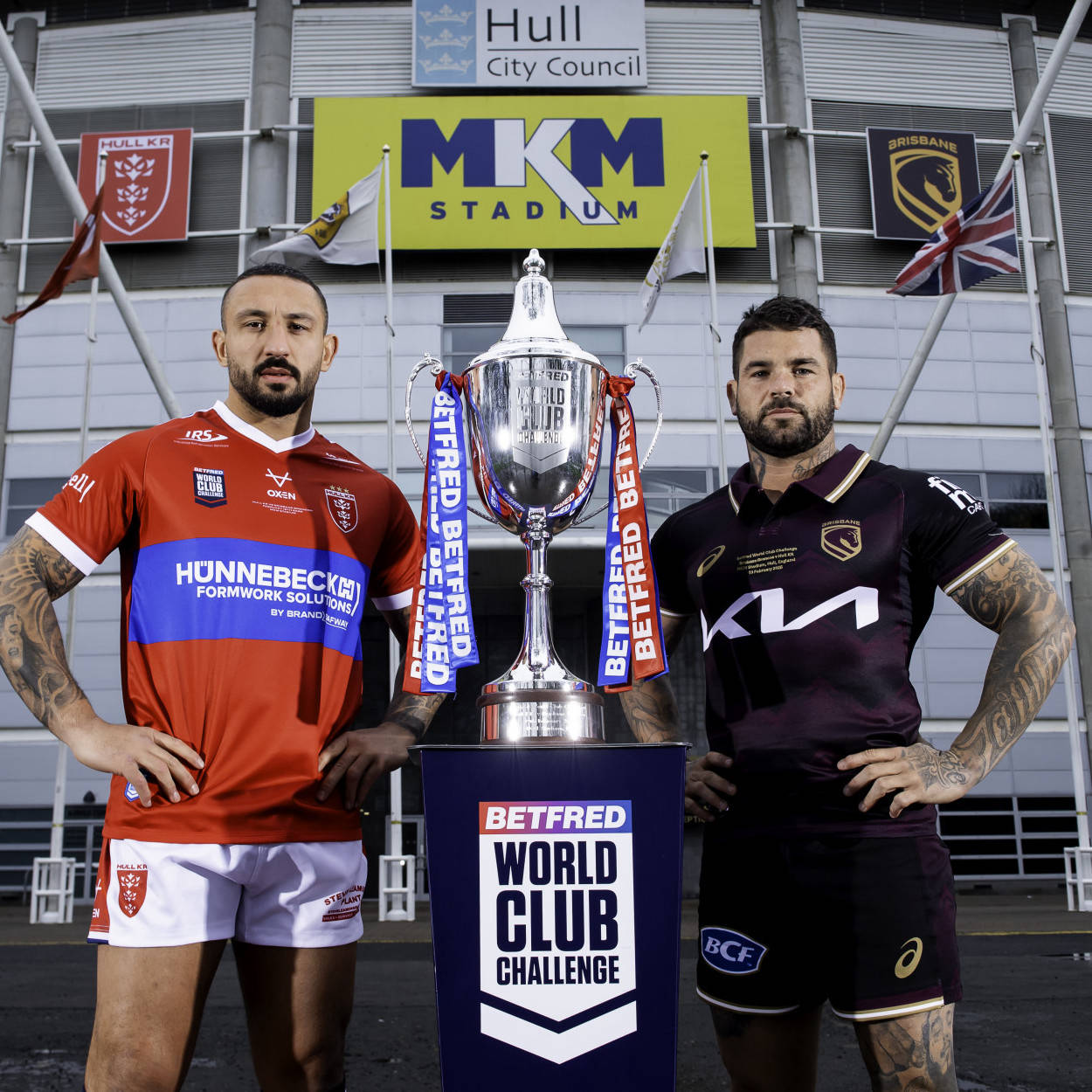
And remarkably, Hull KR will become only the sixth British club to take part in the fixture in the 39 years since that chilly October night – while the MKM Stadium will become the 15th venue to host a World Club Challenge, with the great Rugby League city of Hull finally taking its place on a list also including Auckland, Brisbane, Melbourne, Sydney, Manchester, Liverpool and Leeds, as well as the towns of Bolton, Huddersfield and St Helens.
For reasons explained by Neil Ormston of the Rugby League Record Keepers Club elsewhere in Thursday night's souvenir programme, our World Club Challenge story starts not with the first, improvised fixture between Eastern Suburbs and St Helens in Sydney in June 1976 – but on that aforementioned night at Wigan 11 years later.
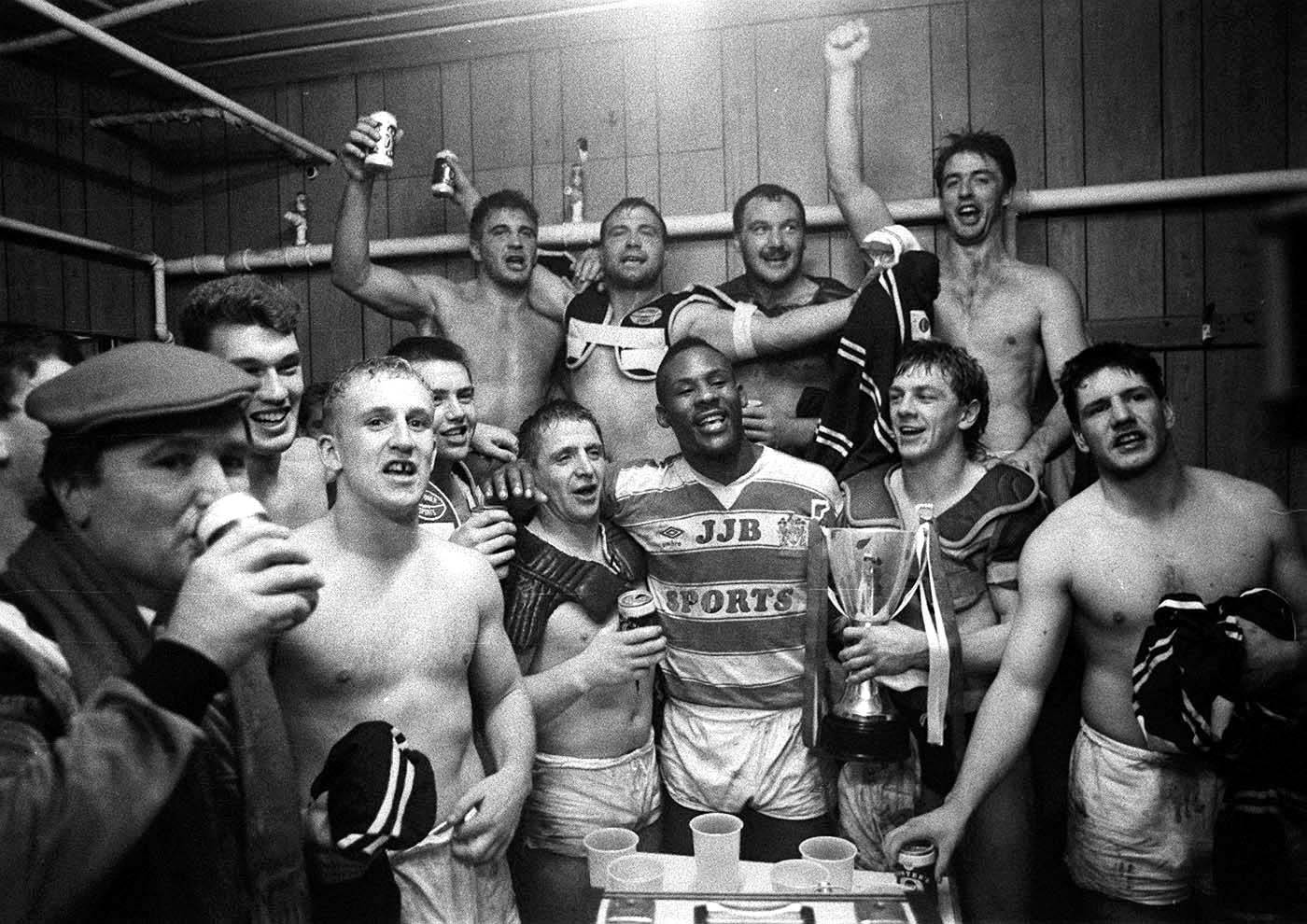
You’ve probably got to have reached your own half century to remember it now. And with Rupert Murdoch still a couple of years away from launching Sky TV, and another couple from swallowing up BSB’s squaerials, it wasn’t broadcast live, at least in the northern hemisphere – meaning you really did have to be there.
Alas, Maurice Lindsay is no longer around to tell tales of how the fixture came about – but safe to say it wouldn’t have happened without Maurice, then in his risk-taking, ringmaster pomp at Wigan, who persuaded Ken Arthurson and Manly that this was a worthwhile fixture, helped by sponsorship from Foster’s (then being pushed globally by Paul Hogan as the amber nectar).
The Sea Eagles travelled with a confidence that perhaps toppled into arrogance; Wigan had an overseas coach in Graham Lowe but he chose an all-English starting 13 with his fellow Kiwi, Graeme West, joining three more Wiganers on the bench.
And probably the three most memorable takeaways from the match were that Wigan won 8-2 without scoring a try, as the late David Stephenson kicked all their points with four penalties; that Shaun Wane, starting at prop alongside Case and Kiss in a front-row as punchy as their surnames, was named man of the match; and that Ronnie Gibbs, the Manly second-row whose nickname of Rambo provided a decent hint of his playing style, was sent off.
Clearly, this fixture could not be a one-off. But in an early indication of the logistical difficulties that have always challenged the World Club Challenge, it was two years before a repeat was arranged – and this time it was taken to Old Trafford.
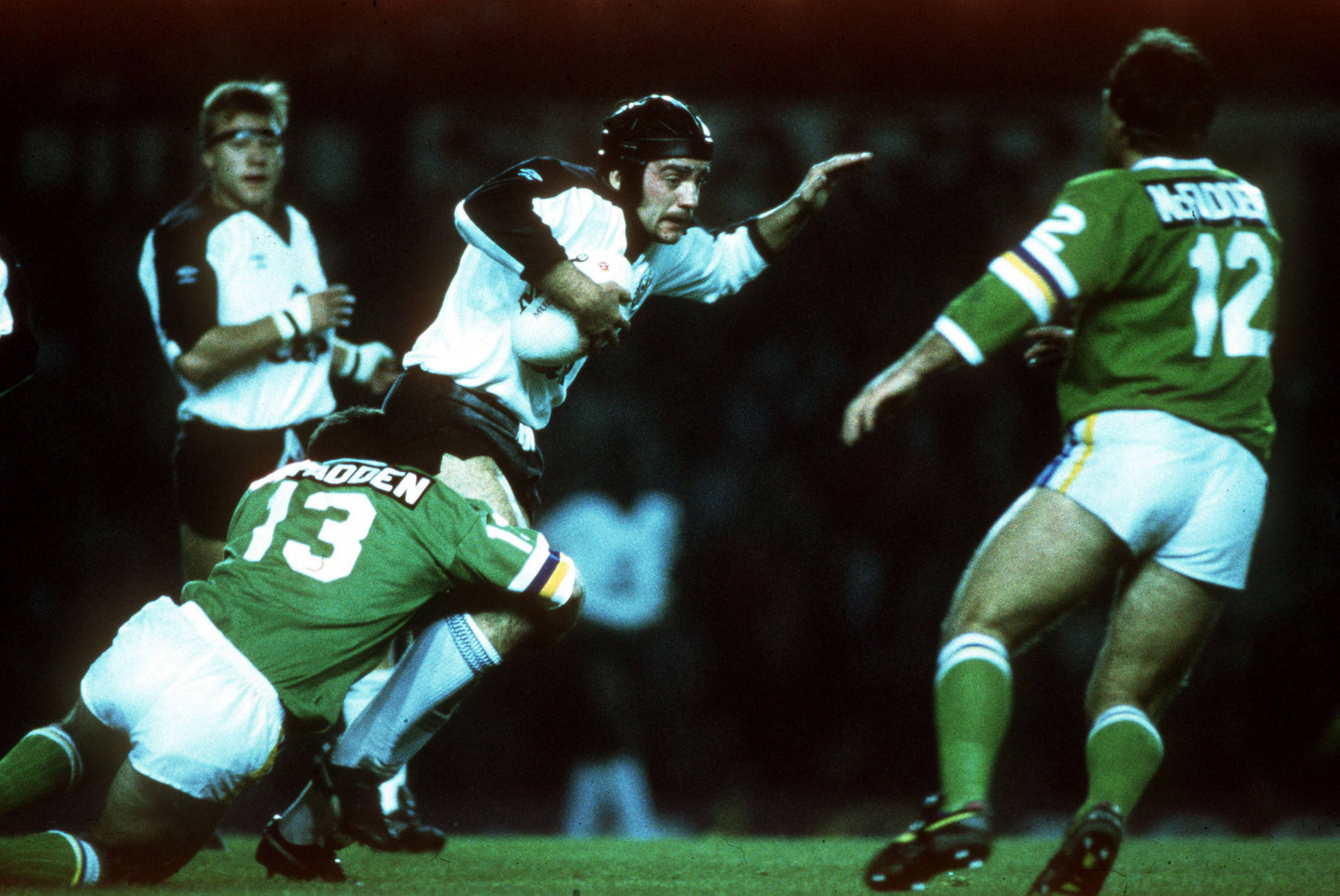
The match, between Doug Laughton’s Widnes and a Canberra Raiders team coached by a relatively young Tim Sheens, achieved the seemingly impossible in proving as memorable as the Wigan-Manly trailblazer.
The Raiders, who looked formidably slick even in their pre-match handling drills, shot to a 12-0 lead with tries from Mal Meninga and Chris O’Sullivan.
But the Chemics, as Widnes were still known, had already reduced the deficit to 10-12 when Canberra’s powerful stand-off Laurie Daley was sent to the sin bin for poleaxing Jonathan Davies.
Widnes seized the advantage while Daley was off, with Martin Offiah scoring his second try, and ended relatively comfortable 30-18 winners, with the performances of Darren Wright and Joe Grima lingering in the memory, even though David Hulme was named player of the match.
There’s not space here to go into detail for each of the previous Challenges – we need to speed up. Again, it took two years for the next to be arranged, with Frano Botica kicking Wigan to victory over Penrith at Anfield, before Brisbane Broncos made their WCC debut in 1992 and became the first Australian club to win in England, defeating Wigan 22-8 at Central Park in a match fondly recalled by Kevin Walters during last autumn’s Kangaroo tour.
1994 brought arguably the most significant World Club Challenge of all, as Wigan beat the Broncos in Brisbane in a match which was credited with accelerating the development of a Super League breakaway in Australia.
Even at the time, the tries from Denis Betts, Barrie-Jon Mather and a young Jason Robinson seemed significant enough.
It’s a jolt to be reminded that there wasn’t another World Club Challenge for more than five years after that, as a direct result of the Super League upheaval. There was a World Club Championship in 1997, when the Murdoch-funded rebel competition finally got underway in the southern hemisphere, running alongside the second summer season here in the north – but it proved to be a mostly disastrous experiment, as even the Broncos may agree despite their victory over the Hunter Mariners in the Final in Auckland.
When world club competition resumed in 2000, the match had to be played in January because of the British game’s switch of season, and there was no improvement in home fortunes as a St Helens team with Paul Wellens at hooker were crushed by Chris Anderson’s mighty Melbourne Storm – the first WCC played at the new JJB Stadium in Wigan, and the atmosphere generated by a 13,000 crowd a pale shadow of those glory nights at Central Park.
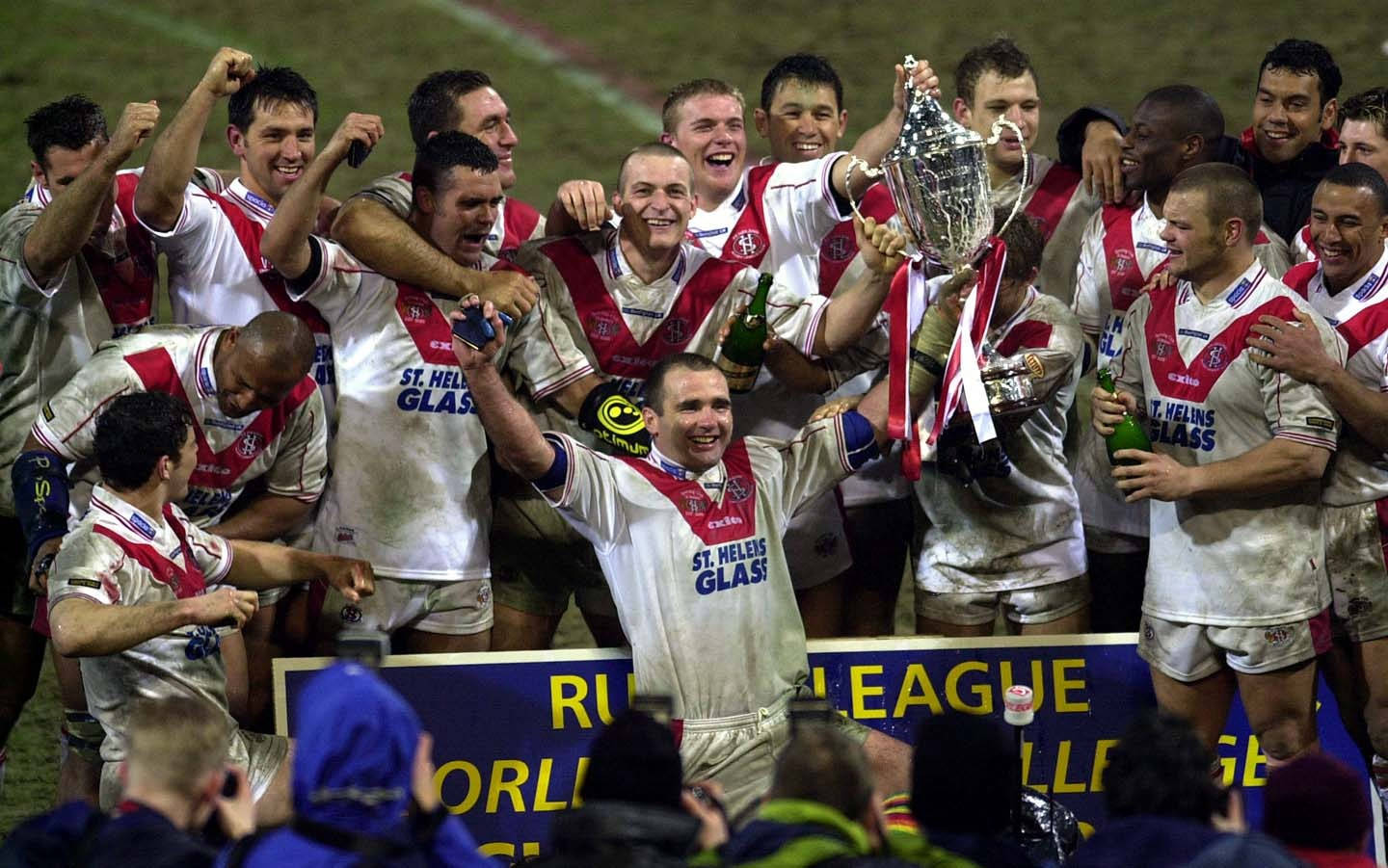
So on 26 January, 2001, after a thoroughly miserable World Cup the previous autumn, the Super League was in arguably its greatest ever need of a boost in credibility.
Step forward Ian Millward’s Saints, who rallied from 18-6 down at a wintry Reebok Stadium, with tries from captain Chris Joynt and maverick man of the match Sean Long followed by drop goals from Long and the imperious Paul Sculthorpe. More of him later.
Saints became the third British World Club Challenge winners, following Wigan and Widnes. Time for Yorkshire to get involved, in the form of Brian Noble’s Bradford Bulls, who in 2002 were too good for a Newcastle Knights team including Danny Buderus, Andrew Johns and two Gidleys.
Adrian Morley was the only happy Pom when the 2003 Challenge returned to the Reebok, as his Sydney Roosters demolished Saints 38-0 – the first of four WCC wins in 17 years for the Bondi aristocrats, who rank alongside Melbourne as the NRL’s most successful club based on this metric.
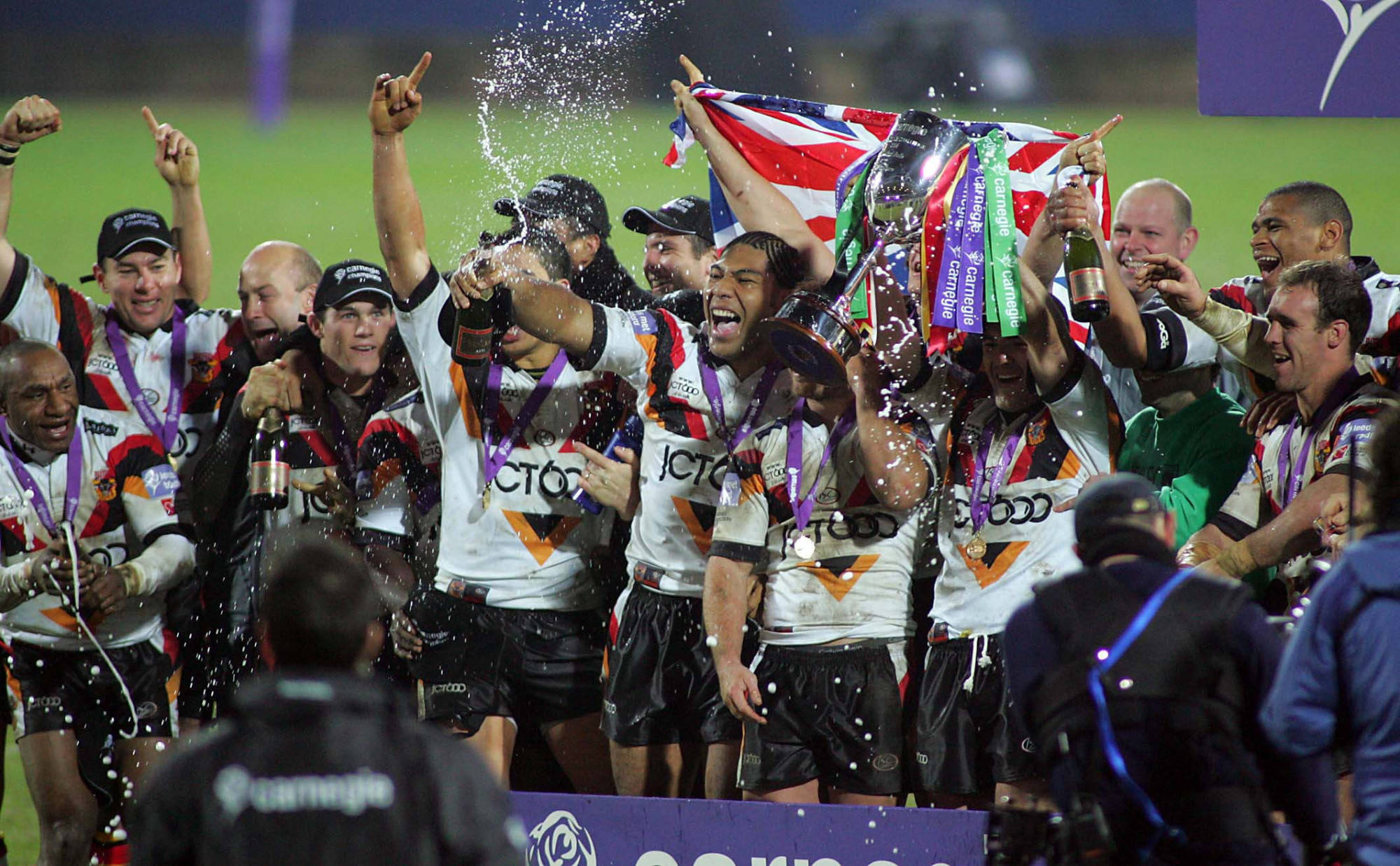
But English clubs were to win the next five. There were two more triumphs for Noble’s Bulls, against Penrith in 2004 and Wests Tigers in 2006, on each occasion back in Huddersfield as the cradle of the sport became a regular home for the World Club Challenge.
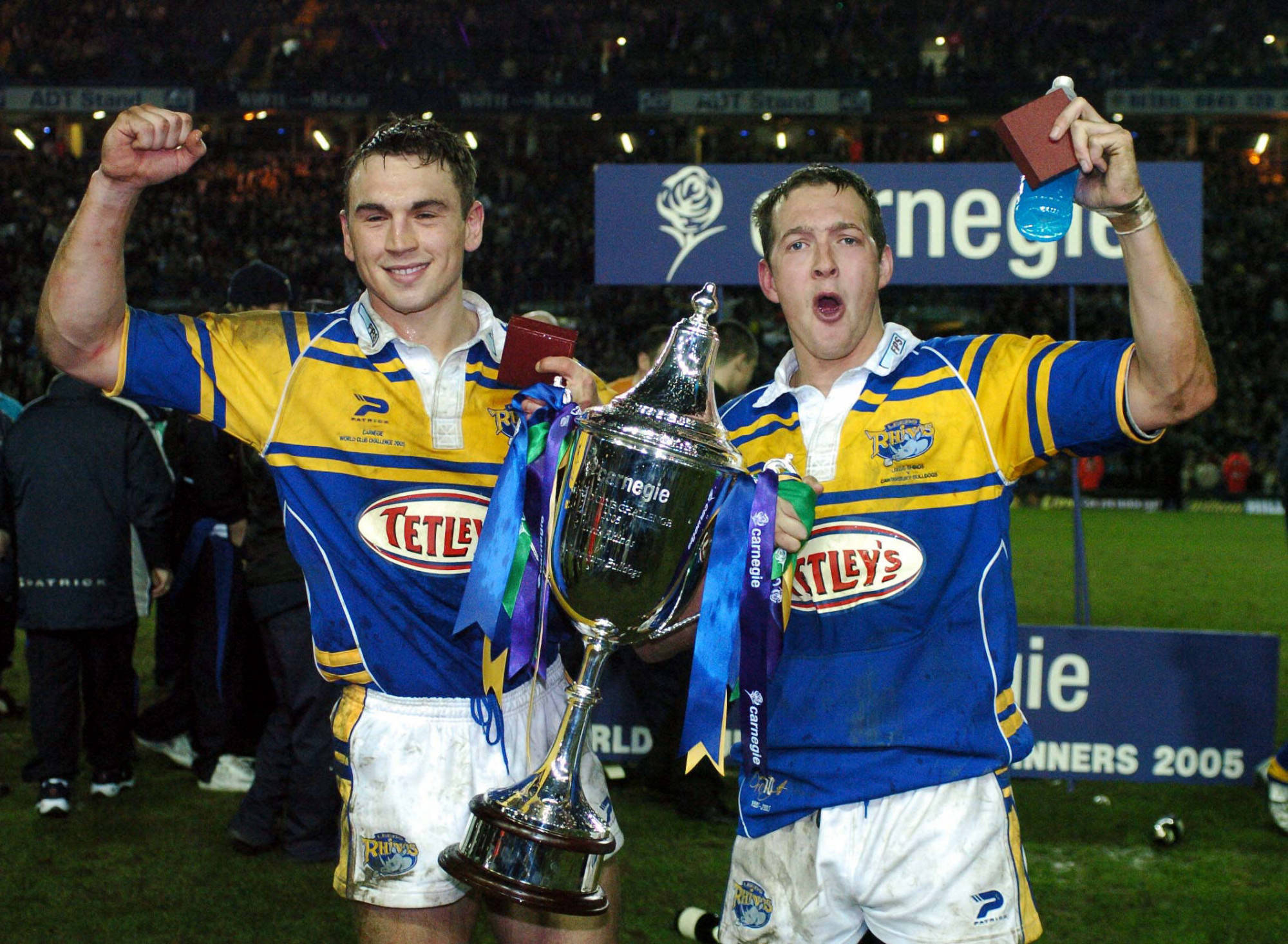
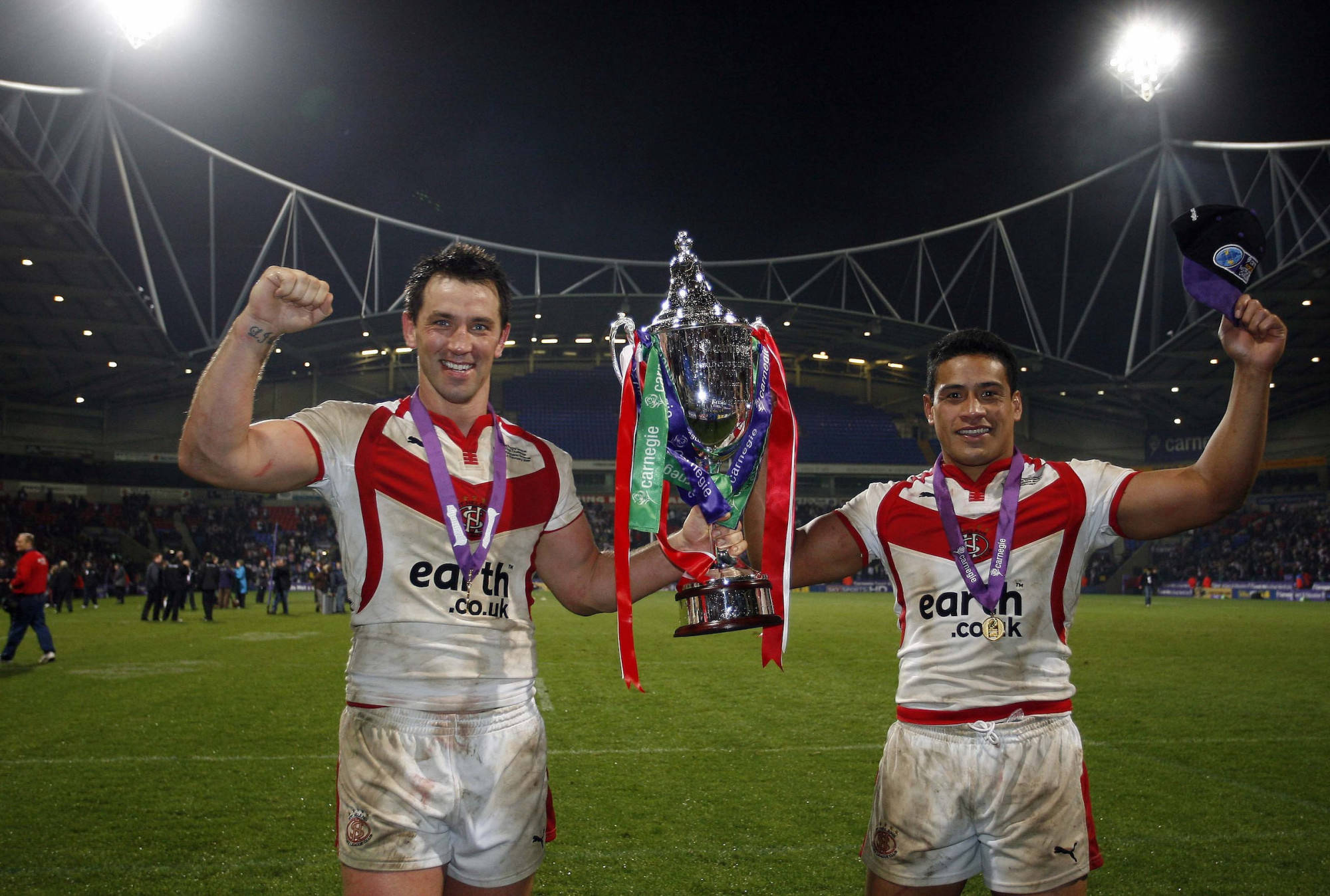
Leeds Rhinos made a winning WCC debut against a Canterbury Bulldogs team including a young Sonny Bill Williams at Elland Road in 2005, and ground down Melbourne Storm 11-4 at the same windswept venue three years later, while 2007 saw a Saints-Broncos rematch at the Reebok – and another Saints win, with Sculthorpe making a fairytale return from injury to score 10 of their points.
At this stage in the World Club Challenge, the tally was 12 British wins to four from Australia. But Manly’s 28-20 win against the Rhinos at Elland Road in 2009 was to mark a major change. It proved the first of seven wins in eight matches for the NRL, with six different clubs dipping their bread.
Melbourne added two more wins in 2010 and 2013, both in Leeds although the first was then asterisked as evidence of their salary cap infractions emerged.
Michael Maguire’s Wigan competed strongly against St George Illawarra Dragons in 2011, when the JJB Stadium had become the DW – and was packed.
But Wigan were soundly beaten by the Roosters in 2014 in the only WCC to have been played in central Sydney, and likewise St Helens by South Sydney on home soil at Langtree Park the following year – a first World Club win for the Rabbitohs, watched by their owner Russell Crowe, and now coached by that man Maguire.
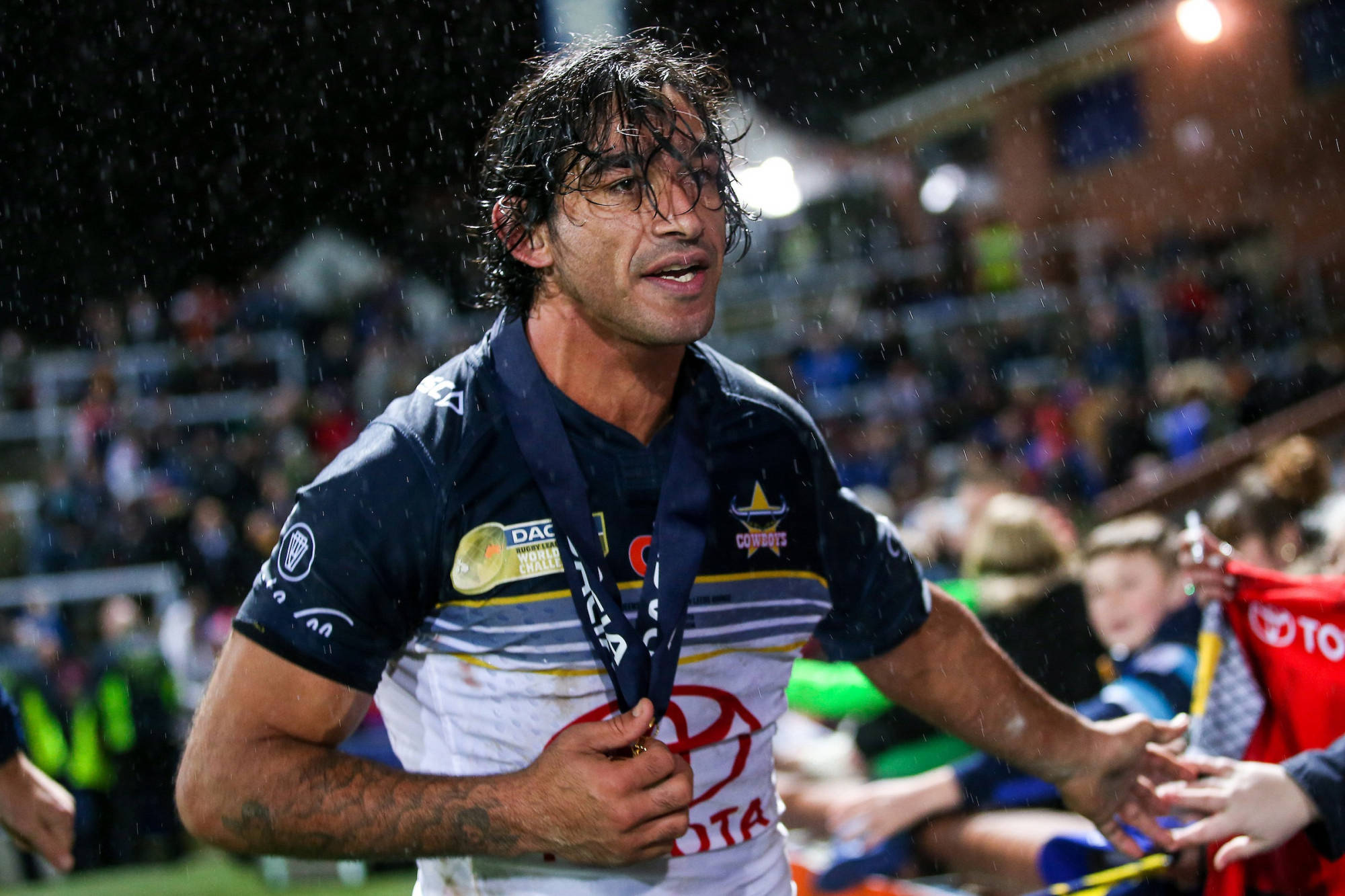
Given this run of results, which also involved a 38-4 romp for Johnathan Thurston’s North Queensland Cowboys against Leeds at Headingley in 2016, it’s not surprising that the great Jamie Peacock recalls the Rhinos’ revenge 2012 win against Manly on a stirring night in LS6 as one of his career highlights.
Likewise Shaun Wane cemented his coaching reputation when Wigan beat Cronulla 22-6 back at the DW in 2017, with Joe Burgess scoring a hat-trick – same again this week, Joe?
But normal service was then resumed with three more Australian wins as the Storm demolished the Rhinos in Melbourne, and the Roosters added a couple of comfortable wins in Lancashire in 2019 and 2020, bravely as Wigan and St Helens competed.
Now the Aussies were ahead in the World Club reckoning, with 14 wins to 13 – although that included Brisbane’s 1997 win against the Mariners.
But since a two-season break because of Covid, the balance of power has changed – and the Broncos kick off tonight aiming to become the first Australian world club champions since the 2020 Roosters team who included Victor Radley, Jared Waerea-Hargreaves and the man of the match Luke Keary.
St Helens’ 13-12 win against the formidable Penrith Panthers in their western Sydney fortress must surely be remembered as one of the great World Club performances – featuring a spectacular storm, starring Jack Welsby and secured by Lewis Dodd’s drop goal.
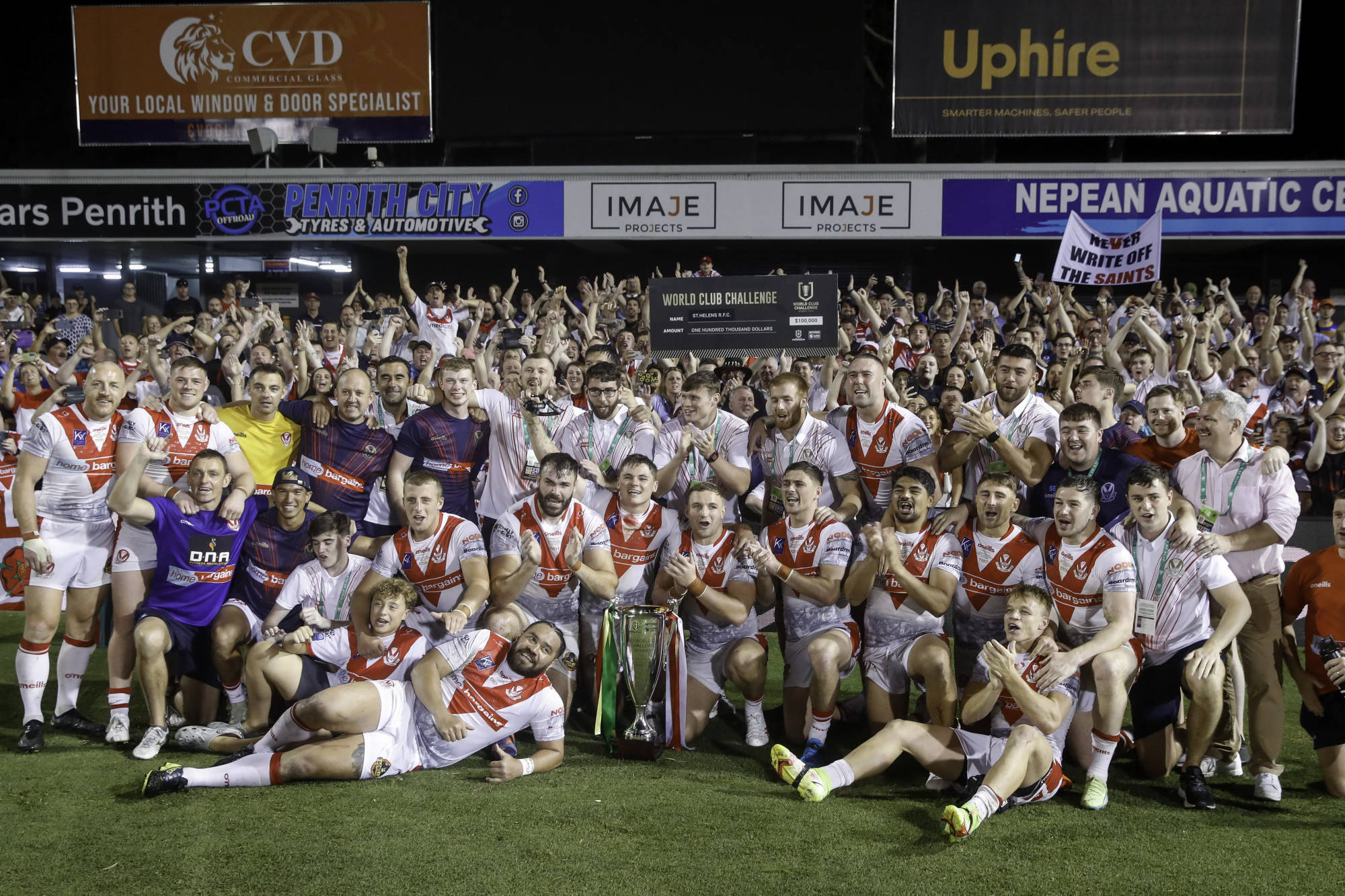
That was Penrith’s third World Club defeat against a third different English club, and spanning 32 years, so their motivation could not be questioned when they headed north to face Wigan in 2024.
But again, the Panthers fell short, with Wigan awarded one contentious try by match referee Liam Moore, but Bevan French denied what would have been a World Club Challenge classic by an accurate but party-pooping video decision.
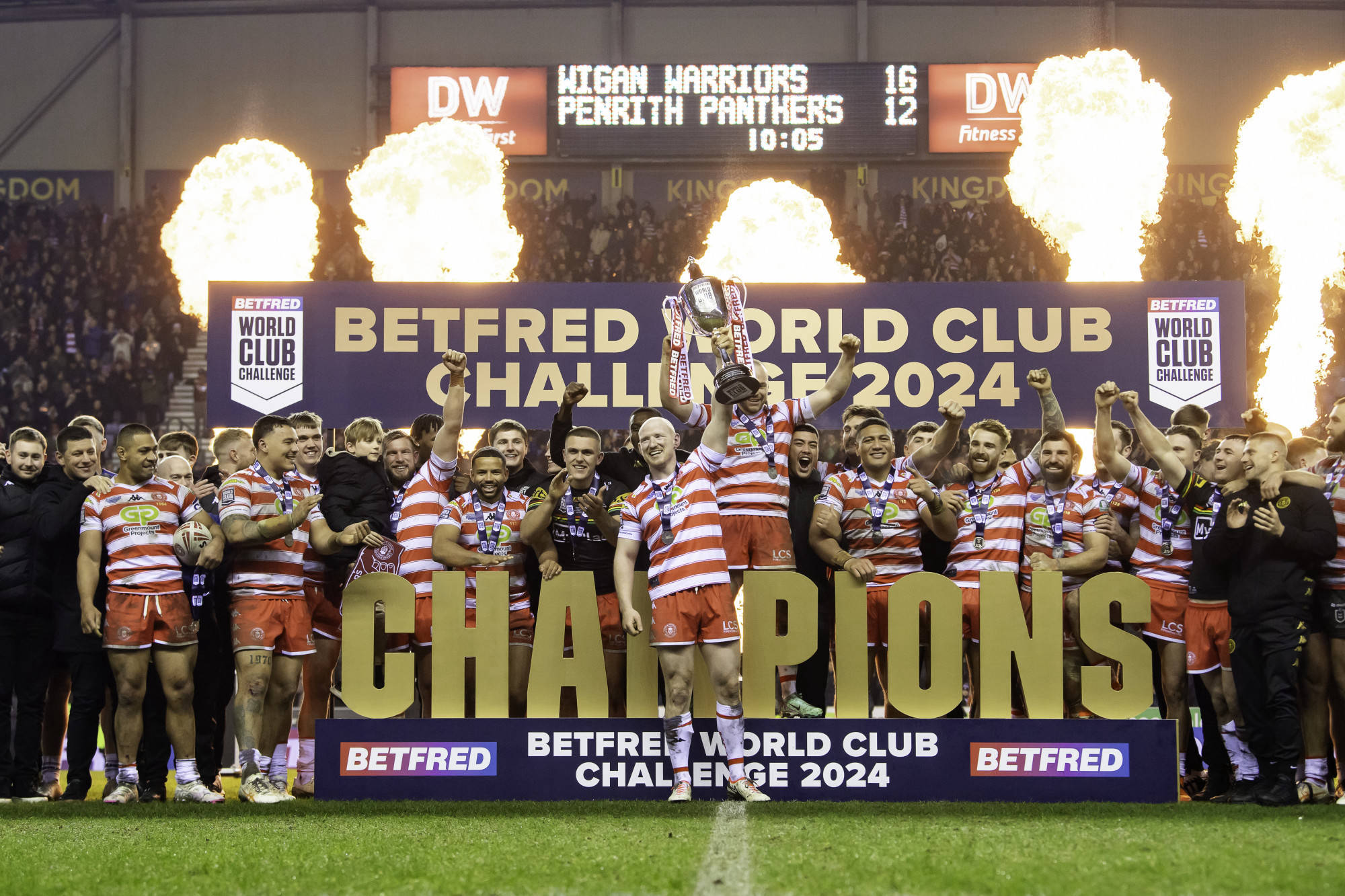
Some of the most enduring memories of that night were of the Penrith players, especially Nathan Cleary, accepting the result with astonishing grace, and signing countless autographs on all manner of souvenirs and body parts.
This year, in Hull for the first time, and after another gap year this time enforced by alternative appointments for Wigan and Penrith in Las Vegas, the World Club Challenge is back for episode 30. Over to the Robins and the Broncos, to write the next chapter…
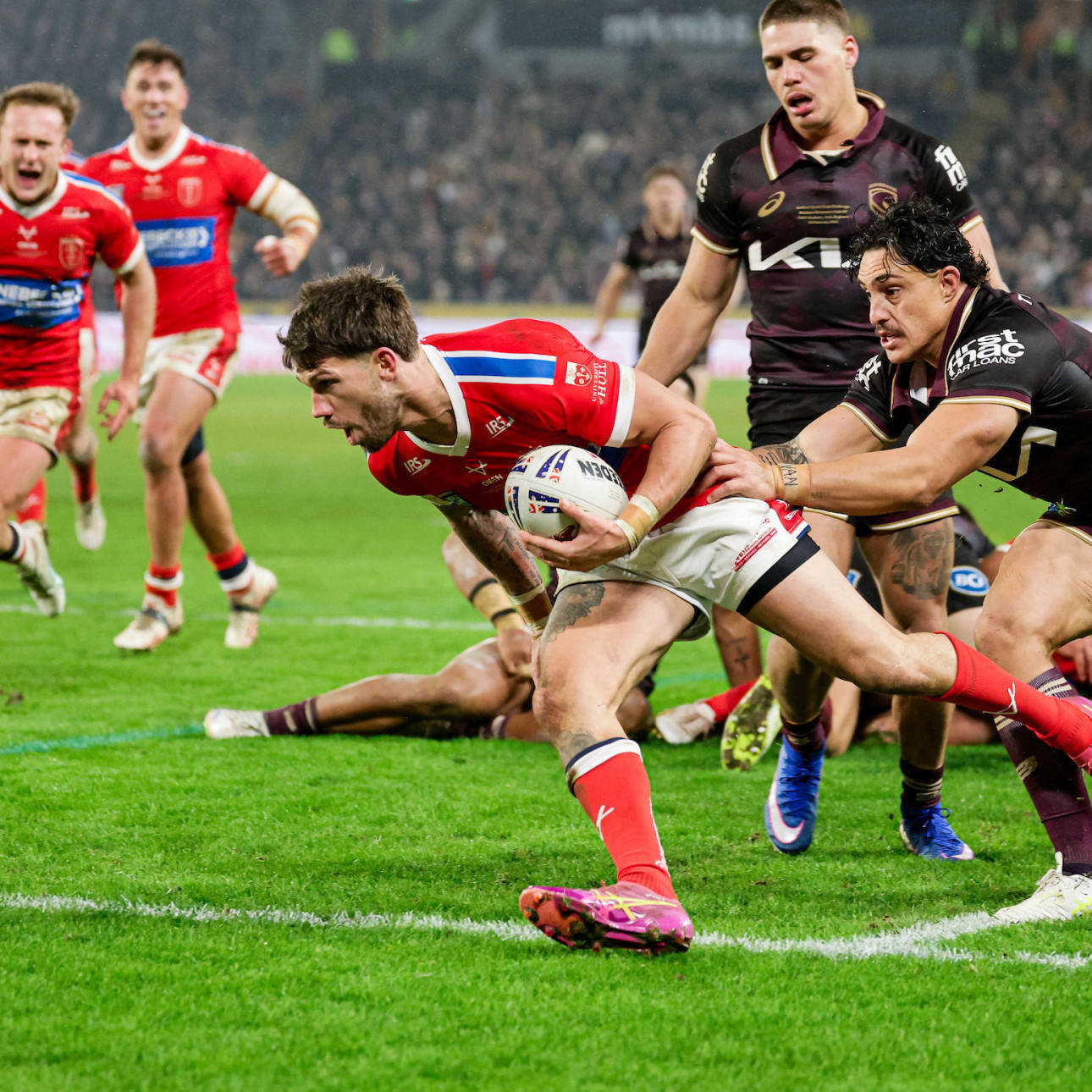
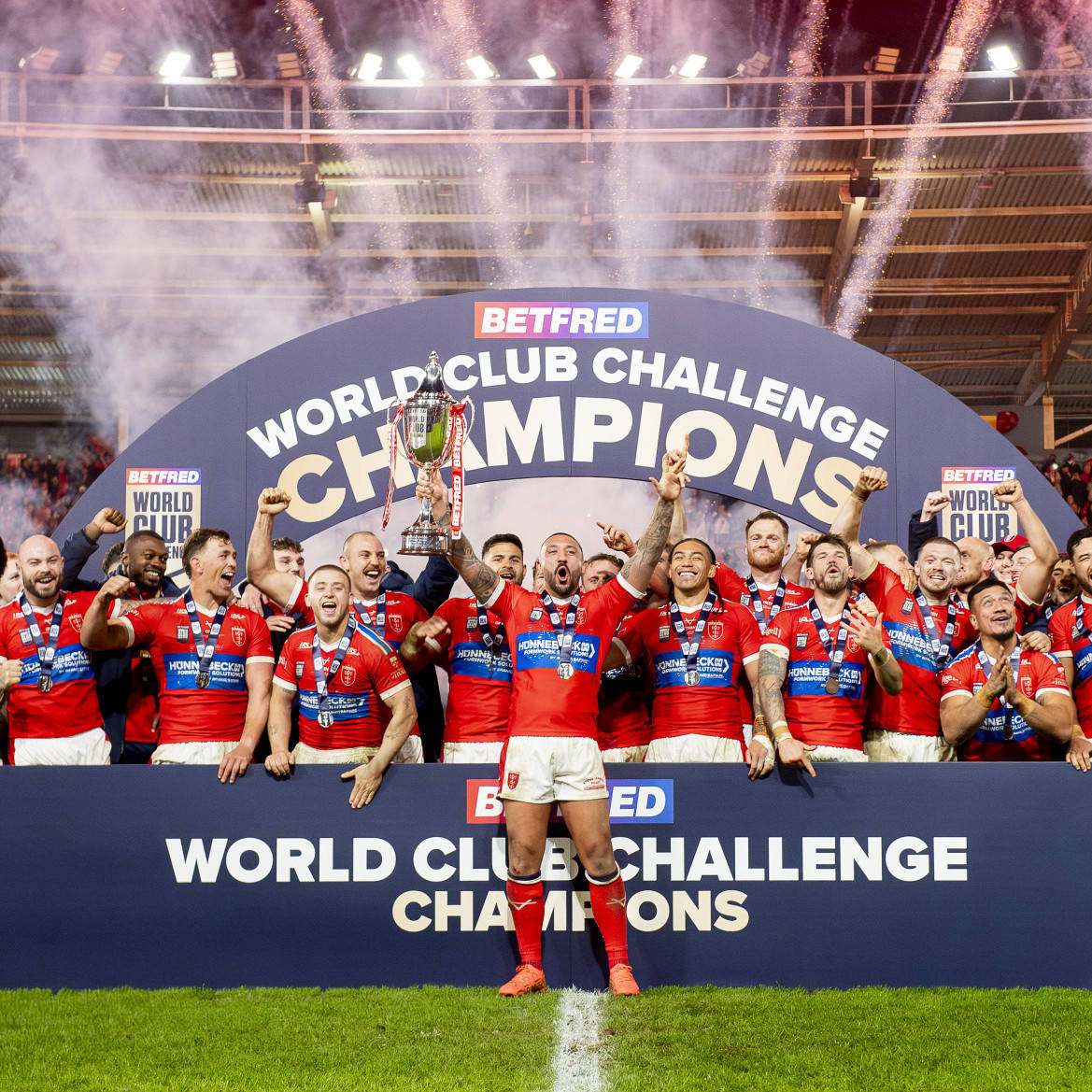
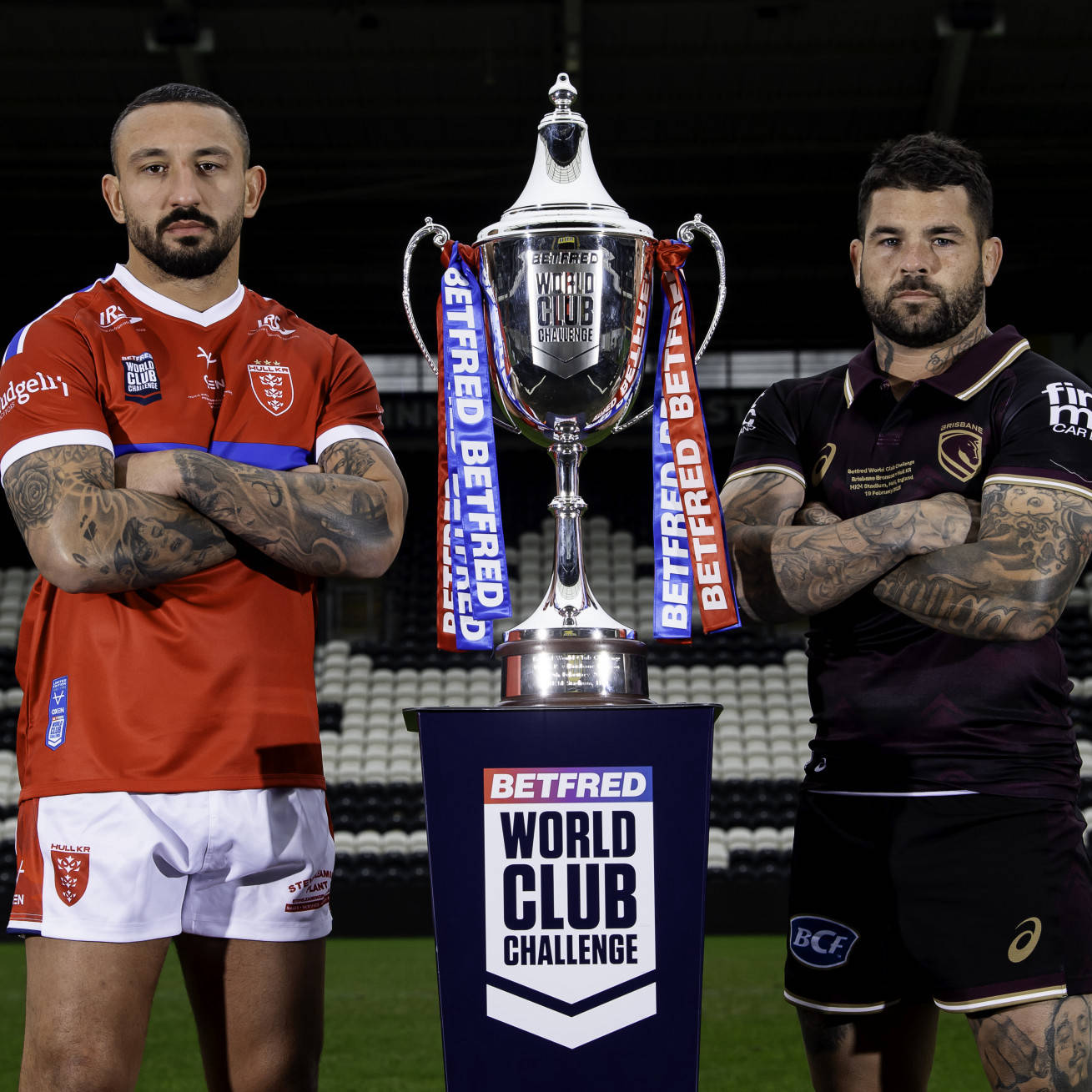
The 2026 Betfred World Club Challenge is a sell-out clash between current Super League Champions Hull KR and NRL Premiers Brisbane Broncos, which will take place on Thursday 19 February at the MKM Stadium (K.O. 7.30pm).
This hotly-anticipated event will be available to watch live on BBC Three, Sky Sports and SuperLeague+.