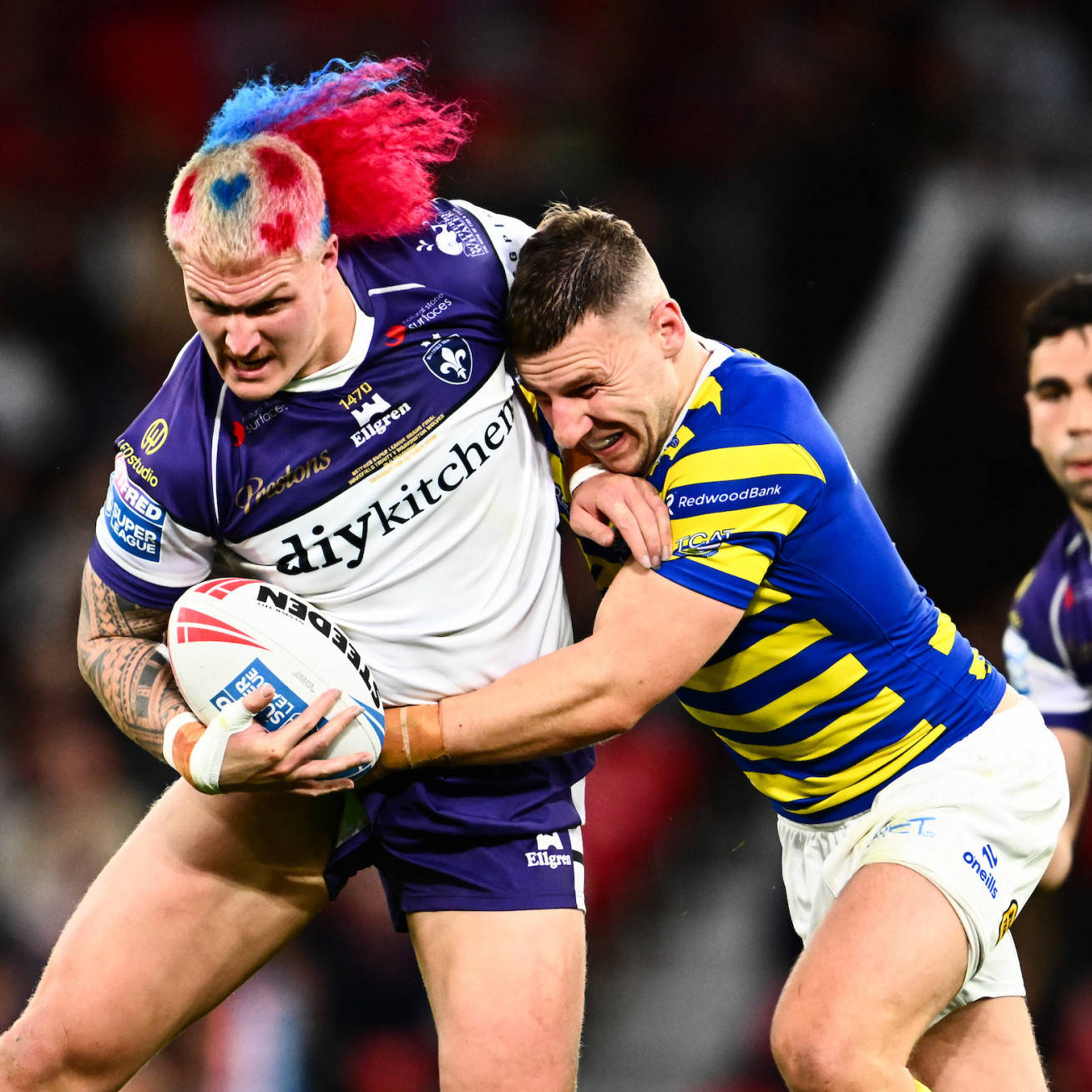
Men
2026 Grand Final Stats Breakdown
5 Oct 2026
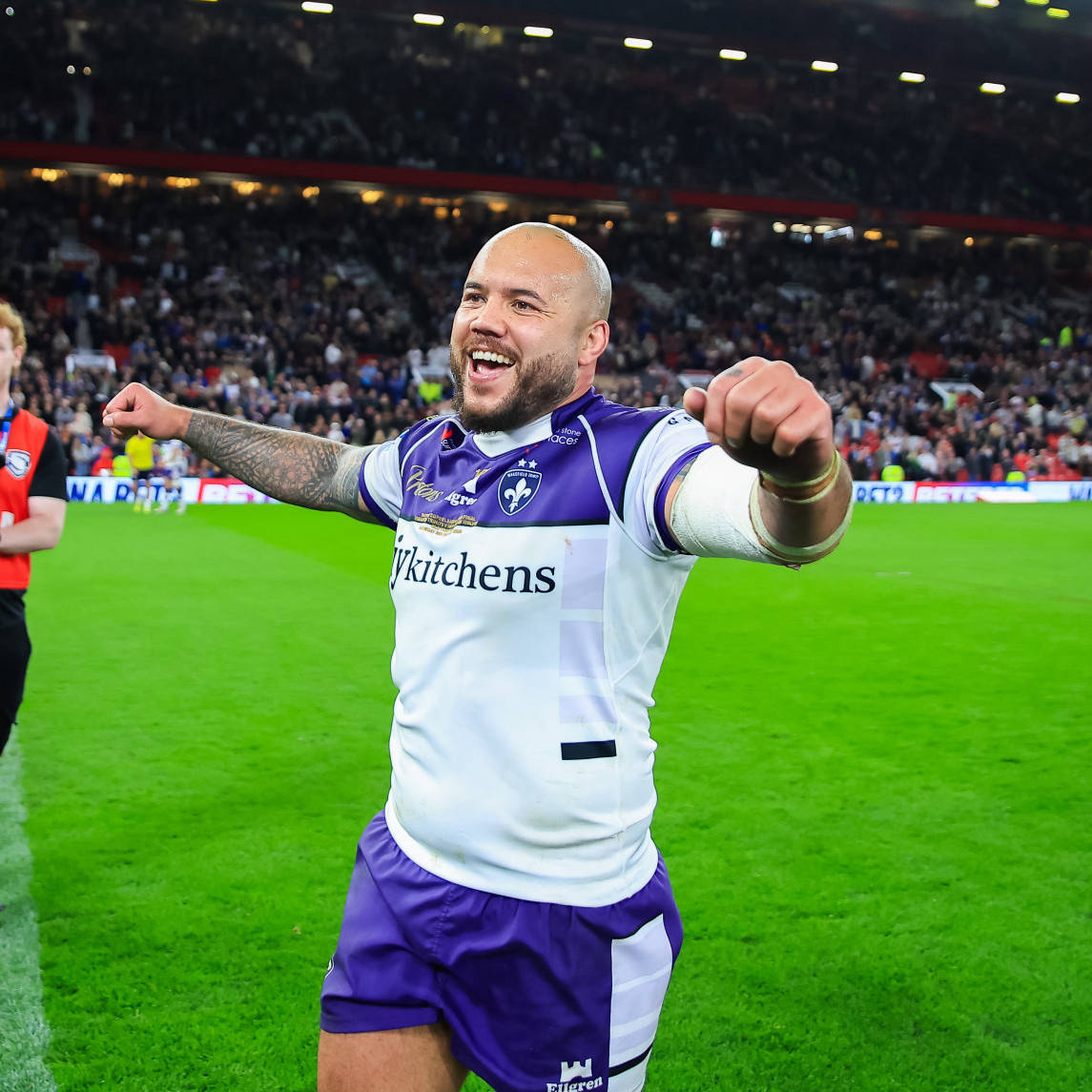
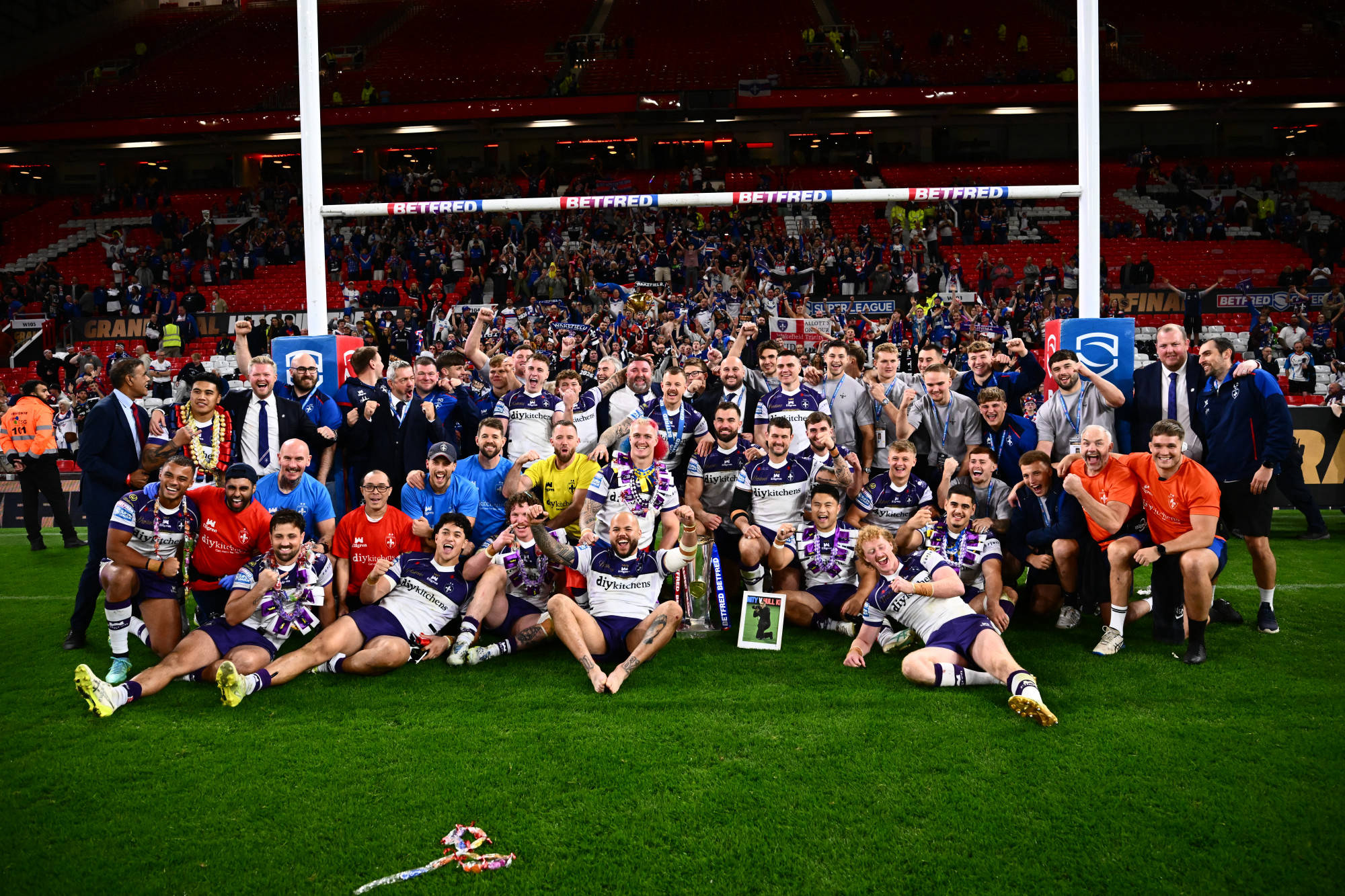
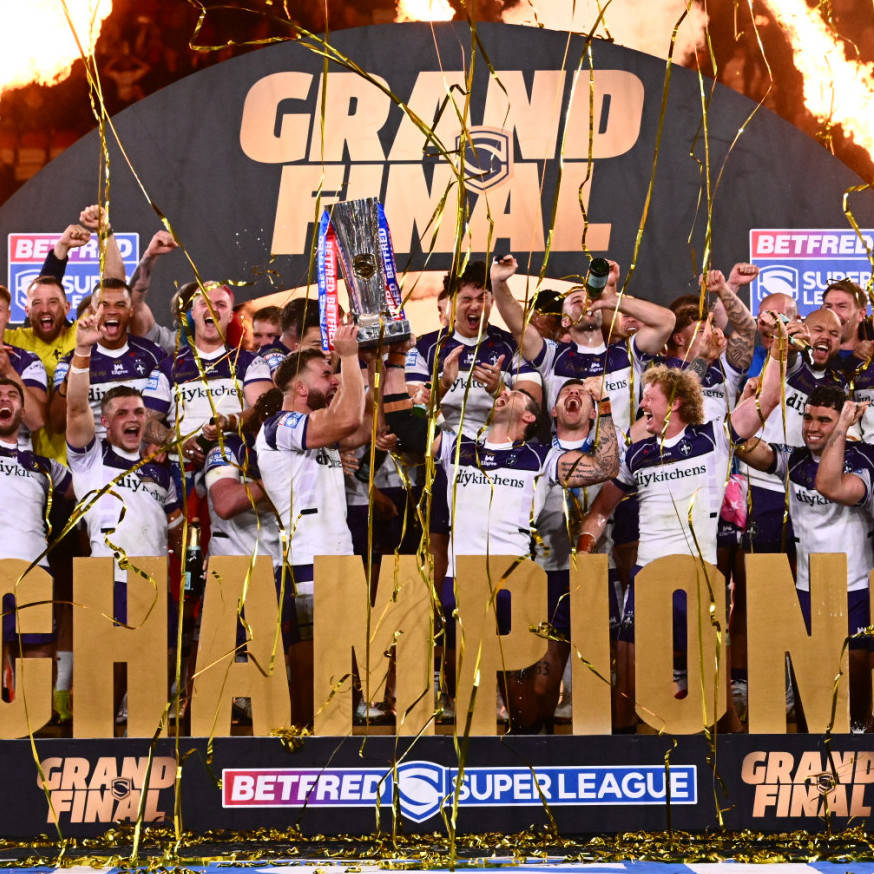
Wakefield Trinity were crowned Betfred Super League champions following a performance built on relentless yardage and dominance through the middle.
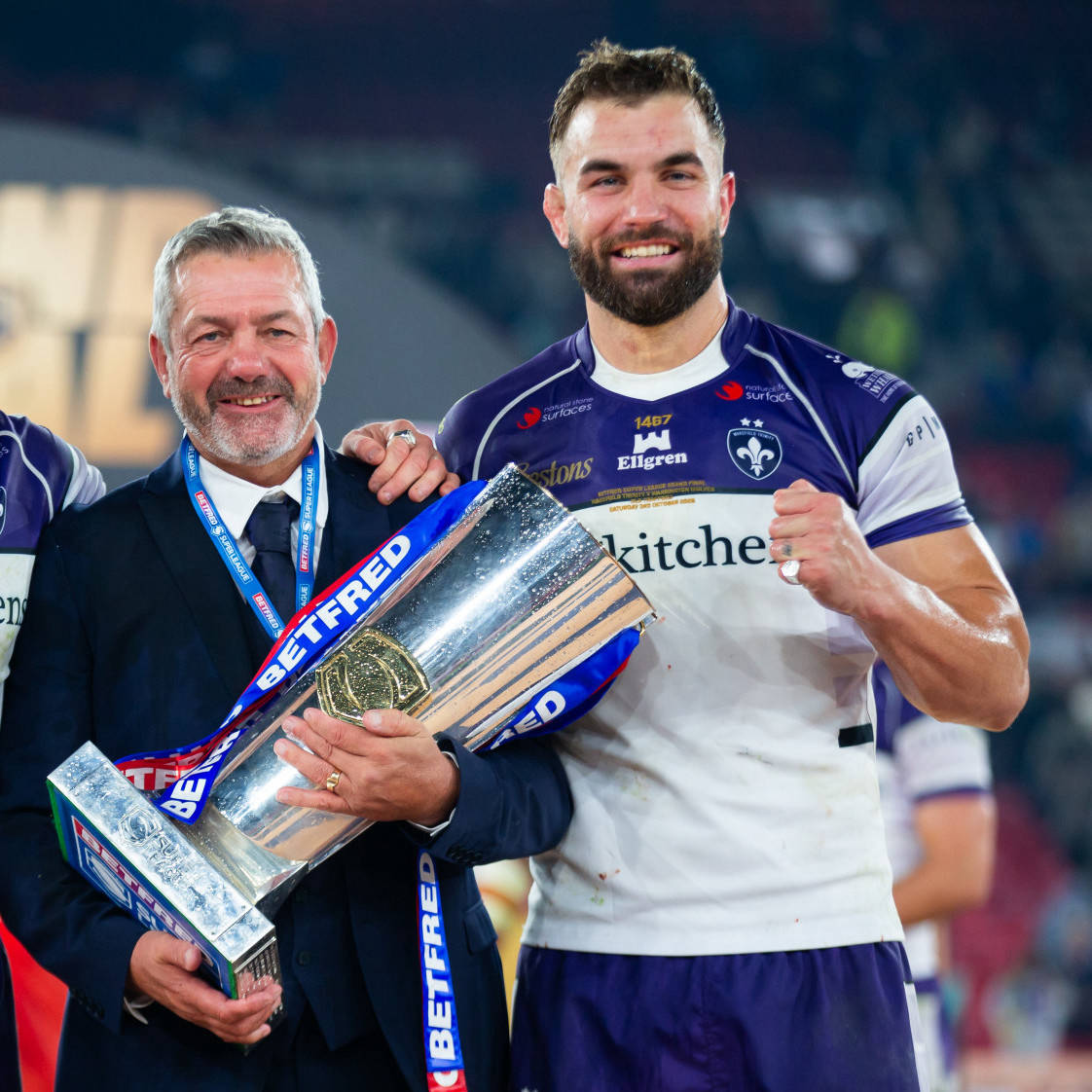
Daryl Powell’s side became just the sixth team to lift the Super League trophy on Saturday Night - their first league title since 1968.
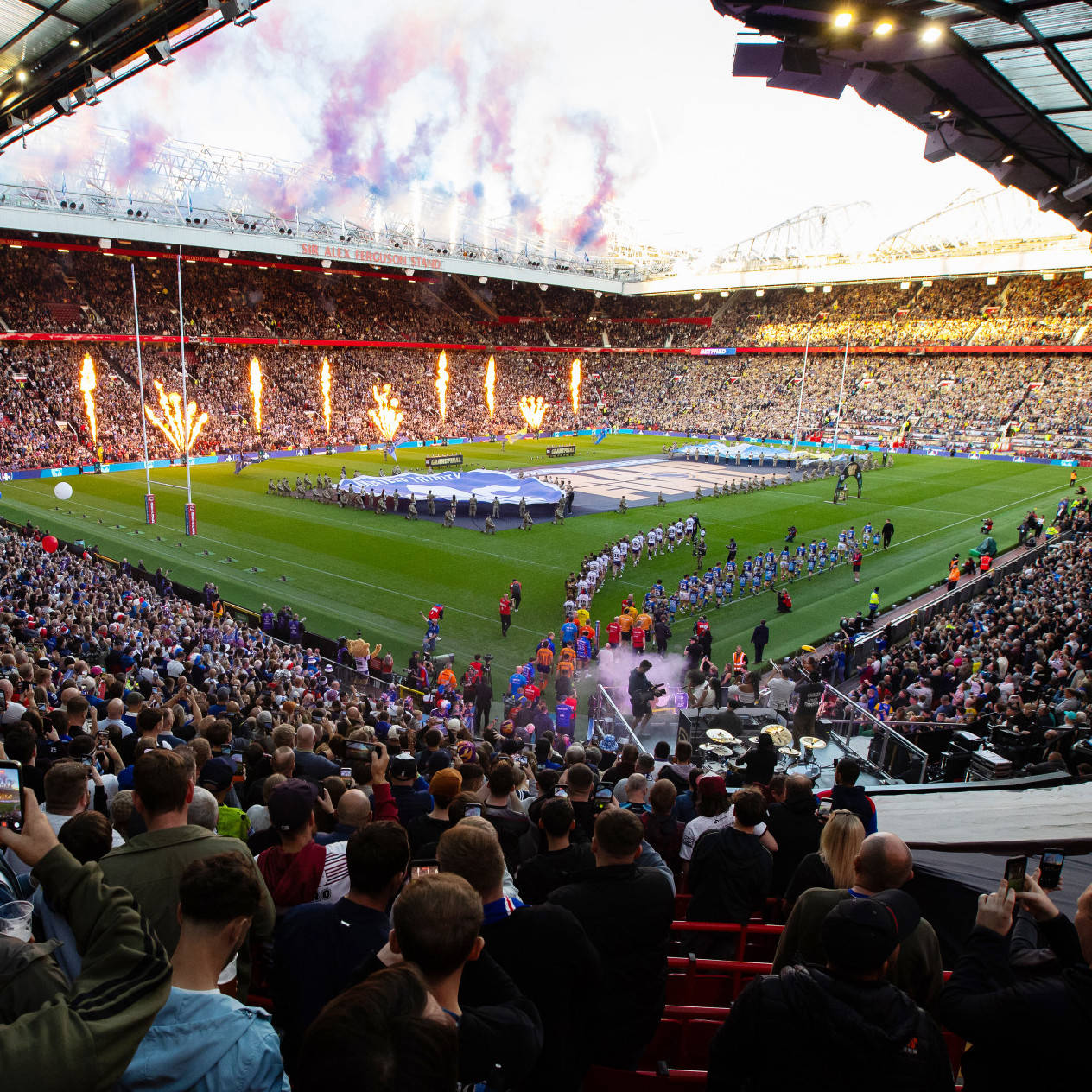
They became the eleventh team to feature in a Super League Grand Final, crossing for four tries at the Theatre of Dreams to write their names in the history books.
At first glance, the contest was remarkably even. Possession was split 50-50, both sides recorded 23 play-the-balls in the opposition’s 20m and errors finished level at seven apiece.
But beneath the surface, a number of key statistics underline why Trinity came away with the trophy, as well as their ability to turn possession into points.
Trinity powered their way to victory:
Wakefield's ability to win the battle for metres proved one of the defining factors of the Grand Final.
Despite making 21 fewer carries than Warrington, Trinity finished with 1,511 metres compared to the Wolves' 1,342. They were also comfortably ahead for ball-run metres (1,797 to 1,646).
Those numbers highlight just how effective Wakefield were with the ball in hand, regularly troubling the defensive line and creating momentum throughout the contest.
The back three played a huge role in that success. Tom Johnstone was outstanding, producing a match-high 232 metres from 26 carries, while Corey Hall (167m) and Lachlan Walmsley (164m) consistently got Trinity on the front foot.
Johnstone leads the charge:
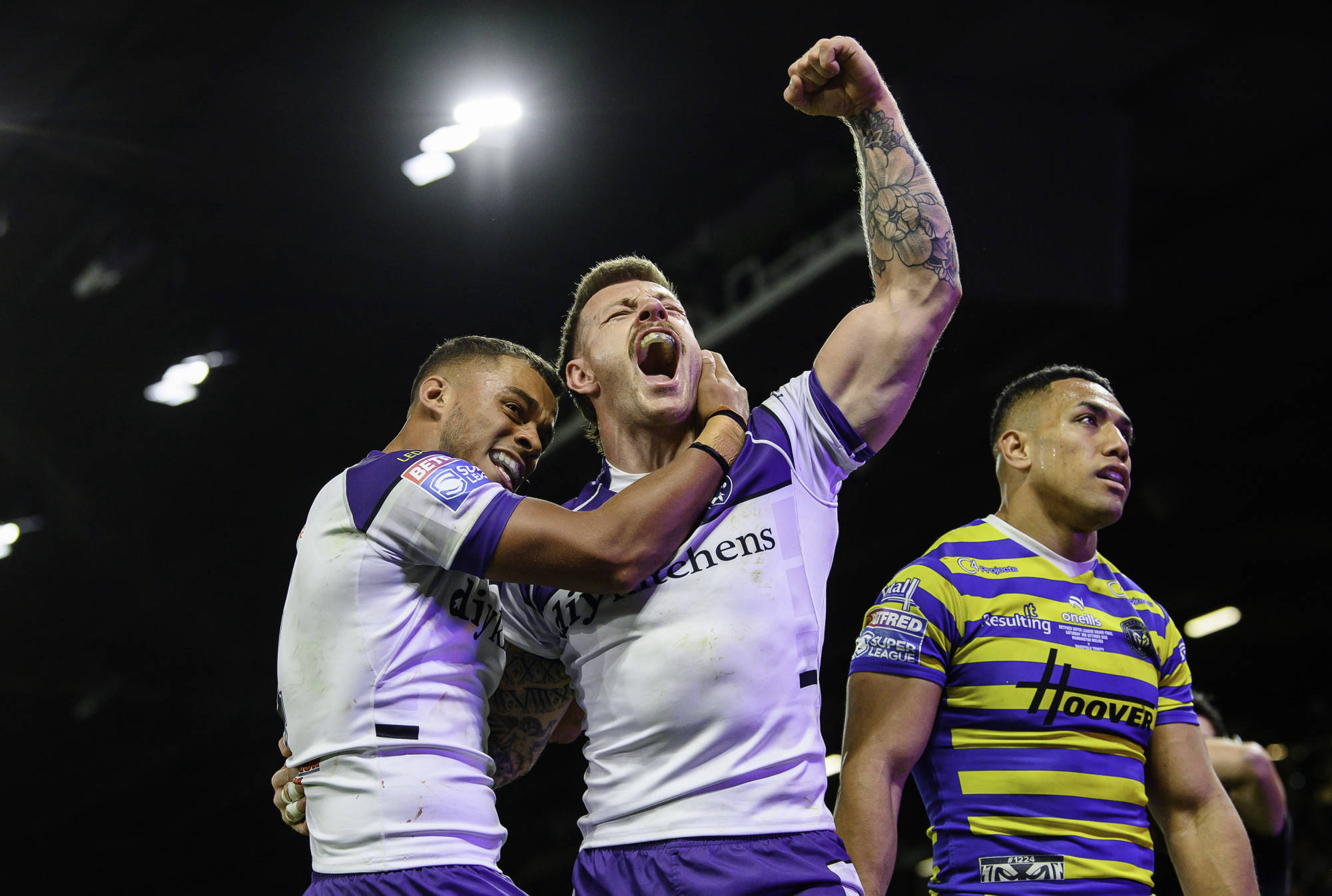
Big games often need big performances, and the Rob Burrow Award winner, Johnstone, delivered exactly that.
No player on either side made more metres, whilst his 26 carries were also the highest individual tally of the match. Added to that were seven tackle busts, a try assist and two clean breaks as Wakefield's winger repeatedly caused problems for the Warrington defence.
Combined with the work of Hall and Walmsley, who provided an outrageous assist for Wakefield’s opening try, this Trinity trio laid the platform for much of the side's attacking success.
Wolves' workload:
The Wolves were forced to do plenty of defending.
Their total of 371 tackles compared to Wakefield's 350 reflected the additional defensive pressure they faced, whilst they also made more carries in an attempt to work their way back into the contest.
Ben Currie led all Warrington defenders with 50 tackles, while Sam Stone (43), Danny Walker (36) and James Harrison (33) all produced tireless efforts in the middle.
However, Trinity's ability to generate quick rucks and win the contact battle continually asked questions of the Warrington’s defensive line.
Winning the collisons:
Wakefield's physicality was evident throughout the statistics.
Trinity registered 36 tackle busts compared to Warrington's 28 and also produced almost double the kick-return metres, finishing with 182 compared to 95.
The 140-metre advantage in post-contact metres perhaps told the biggest story of all. Time and again, Wakefield found extra metres after contact, helping them dominate field position despite enjoying no advantage in possession.
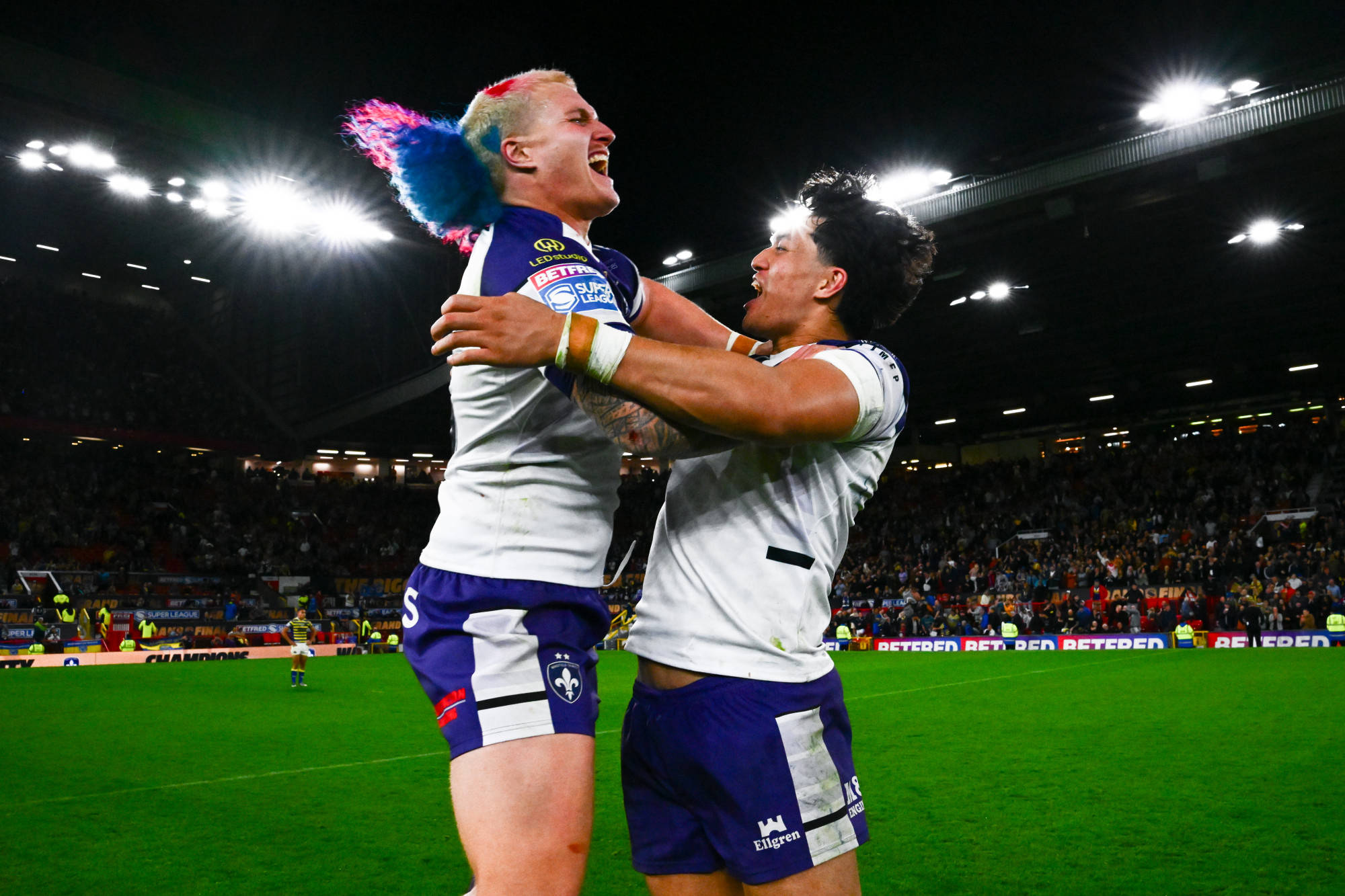
Caius Faatili and Jazz Tevaga's eight tackle busts, along with Caleb Hamlin-Uele's 136 metres were among the standout contributions through the middle, as well as terrific tries from Tevaga and Isaiah Vagana.
Trinity's titans well and truly dominated.
Fine margins in the kicking game:
There was little to separate the two teams in terms of territorial play.
Warrington recorded 13 attacking kicks to Wakefield's 10 and finished with a slight edge in kicks in general play (25 to 23). But Trinity's kicking game produced one crucial moment, recording the only successful 40/20 of the match, and Tyson Smoothy was the man on the end of it.
Following Saturday’s victory, Smoothy joins the ranks of players to have won Grand Finals on both sides of the world, and also becomes the second ever player after Ben Harris to go back-to-back.
Wakefield also completed more sets than their opponents, finishing with 37 successful completions compared to Warrington's 35, helping maintain pressure in key periods of the game.
The numbers behind a Grand Final-winning performance:
With possession level, errors level and opportunities inside the opposition 20 level, this Grand Final was decided by the smallest of margins.
But Wakefield's superiority in metres, post-contact metres, tackle busts, kick-return metres and set completion ultimately proved decisive.
The numbers underline a team that won the battle for territory, dominated the collisions and made the most of its opportunities on the biggest stage, securing a memorable Betfred Super League Grand Final triumph.
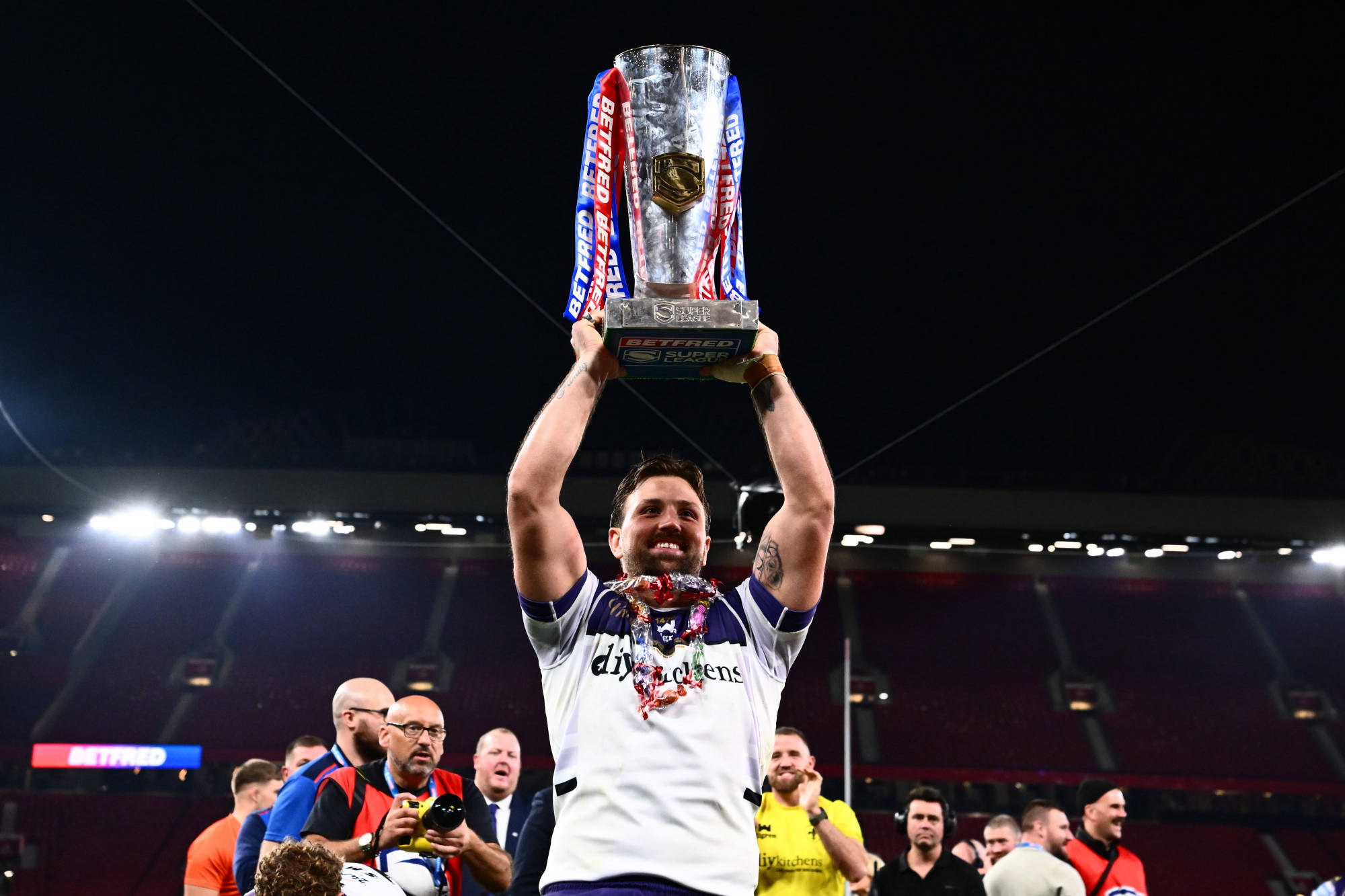
The retiring Jay Pitts, a loyal servant of both Wakefield and the game, bows out with a Grand Final win, with captain Mike McMeeken lifting the Grand Final trophy at the fourth attempt.
As mentioned above, Smoothy becomes a back-to-back winner, and Powell enjoys his first Grand Final victory as a head coach.
Meanwhile, Jack Sinfield and Vagana followed in their footsteps of their fathers Sir Kevin Sinfield and Joe Vagana, respectively, in experiencing success at Old Trafford.